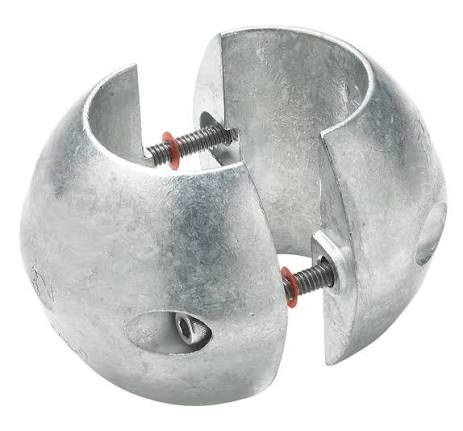
Why Anodes for Propellers Are Essential for Protecting Your Boat
Your boat's propeller is constantly exposed to water, making it one of the most vulnerable parts of the vessel when it comes to corrosion. Whether your boat operates in freshwater, saltwater, or brackish conditions, protecting the propeller from galvanic corrosion is essential for maintaining performance and avoiding expensive repairs. This is why Anodes for Propellers play such an important role in every boat's maintenance routine.
These small metal components are designed to sacrifice themselves before corrosion can damage valuable underwater equipment. Although they are inexpensive, they can significantly extend the lifespan of your propeller and other nearby metal parts.
Propeller anodes are sacrificial metal pieces that are attached directly to the propeller hub or surrounding drive components. Because the anode is made from a more reactive metal than the propeller itself, it corrodes first, protecting expensive parts from galvanic corrosion.
Instead of allowing corrosion to attack bronze, stainless steel, or aluminum propellers, the anode gradually wears away over time and can easily be replaced when necessary.
Why Corrosion Protection Matters
A damaged propeller affects far more than appearance. Corrosion can reduce efficiency, create vibration, decrease fuel economy, and eventually require costly replacement.
Installing Anodes for Propellers helps protect:
- Boat propellers
- Propeller shafts
- Stern drives
- Outboard lower units
- Nearby underwater metal components
By preventing galvanic corrosion, anodes help your propulsion system operate efficiently throughout the boating season.
Selecting the Correct Anode Material
Different water conditions require different sacrificial metals. Choosing the correct material ensures the anode performs effectively.
The most common options include:
- Zinc – Best suited for saltwater.
- Aluminum – Suitable for both saltwater and brackish water.
- Magnesium – Recommended for freshwater environments.
Using the wrong material may reduce protection and shorten the lifespan of both the anode and your propeller.
Signs It's Time for a Replacement
Because anodes are designed to wear away, regular inspections are essential. Waiting too long to replace them can leave your propeller exposed to corrosion.
Replace your anodes if you notice:
- More than half of the material has been consumed.
- Deep pitting or uneven wear.
- Cracks or loose fittings.
- Heavy corrosion around the mounting area.
Many boat owners inspect their anodes whenever the boat is lifted out of the water or during seasonal servicing.
Tips for Maximizing Protection
Keeping your propeller properly protected doesn't require complicated maintenance. A few simple habits can make a significant difference.
- Inspect anodes several times during the boating season.
- Replace worn anodes before they are completely consumed.
- Clean away marine growth during routine maintenance.
- Ensure mounting bolts remain tight.
- Always choose an anode designed for your specific propeller and water type.
These preventive steps help reduce repair costs while improving the reliability of your propulsion system.
Benefits of Quality Propeller Anodes
Investing in quality sacrificial anodes provides several long-term advantages.
- Protects expensive propellers from corrosion.
- Extends the lifespan of underwater metal components.
- Helps maintain smooth propulsion.
- Reduces maintenance and repair expenses.
- Improves long-term boating reliability.
Although they are among the smallest components on a boat, their protective value is significant.
Final Thoughts
Corrosion is a natural challenge for every boat owner, but it doesn't have to become an expensive problem. Installing Anodes for Propellers provides an effective barrier against galvanic corrosion, helping protect one of the most important parts of your vessel.
By selecting the correct anode material, inspecting it regularly, and replacing it when necessary, you can keep your propeller in excellent condition and enjoy safer, more efficient boating for years to come.